
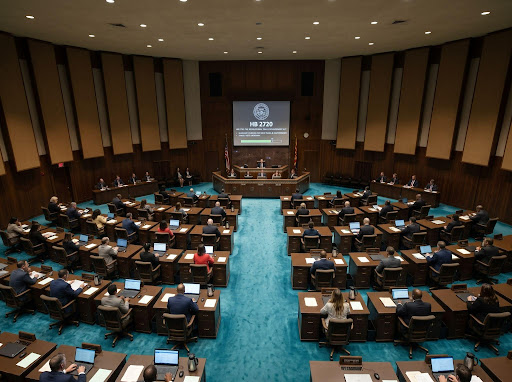
If you’re reading this, you may be wondering how to contact a prostitution defense lawyer. Maybe you’ve been arrested, or someone in your family has. You may also have seen headlines about Arizona’s new prostitution law and want to understand what the changes mean for your situation. The change in Arizona prostitution law under HB 2720 took effect in September 2026. The key change is how Arizona classifies the person offering or agreeing to pay for sexual conduct compared with the person offering or agreeing to receive payment.
For someone facing this new felony offense, the consequences can extend beyond jail time. A felony conviction can affect employment, housing, professional licensing, and other areas of life. These frequently asked questions explain what changed, what the new penalties are, and what to know if you’re facing a prostitution-related charge.
What Changed Under Arizona’s New Prostitution Law?
Under the new law, a person who offers to pay, agrees to pay, or pays for sexual conduct can face a Class 6 felony. A person who offers to receive, agrees to receive, or receives payment remains subject to a Class 1 misdemeanor.
Both offenses carry a mandatory minimum of 15 consecutive days in jail for a first conviction. The law amends A.R.S. 13-3214 and took effect September 12, 2026.
When Did the Change in Arizona Prostitution Law Take Effect?
HB 2720 took effect on September 12, 2026. The law changed the classification of certain prostitution offenses involving the person who offers, agrees to, or pays for sexual conduct.
The $200 assessment imposed on qualifying convictions goes to Arizona’s Anti-Human Trafficking Grant Fund.
Is Paying for Sex a Felony in Arizona?
Under the changed Arizona prostitution law, offering to pay, agreeing to pay, or paying for sexual conduct can be prosecuted as a Class 6 felony.
A first conviction carries a mandatory minimum of 15 consecutive days in jail and a $200 assessment. The assessment cannot be waived by the court.
Is Receiving Money for Sex Still a Misdemeanor in Arizona?
Yes. Offering to receive, agreeing to receive, or receiving payment for sexual conduct remains a Class 1 misdemeanor under A.R.S. 13-3214.
A first conviction carries a mandatory minimum of 15 consecutive days in jail. The offense classification differs from the new felony provision that applies to the person offering, agreeing to pay, or paying.
What Are the Penalties Under the Changed Arizona Prostitution Law?
The penalties depend on the offense and the person’s prior convictions.
| Offense | Before Sept. 12, 2026 | Effective Sept. 12, 2026 |
|---|---|---|
| First offense, offering/agrees to receive payment | Class 1 misdemeanor, 15 days | Class 1 misdemeanor, 15 days |
| First offense, offering/agrees to pay/pay | Class 1 misdemeanor, 15 days | Class 6 felony, 15 days + $200 assessment |
| Second offense, paying | Class 1 misdemeanor, 30 days | Class 6 felony, 30 days + $200 assessment |
| Third offense, paying | Class 1 misdemeanor, 60 days | Class 6 felony, 60 days + $200 assessment |
| Fourth or subsequent offense, paying | Class 5 felony, 180 days | Class 4 felony, 180 days + $200 assessment |
A third conviction also triggers a mandatory court-ordered education or treatment program. The statute restricts probation and suspension of the applicable sentence.
What Are the Consequences of a Felony Prostitution Conviction?
The impact of a felony conviction can extend beyond the sentence itself. Depending on the person’s circumstances, a felony conviction may affect employment, housing, professional licensing, firearm rights, voting rights, immigration status, and family court matters.
For example, federal law restricts firearm possession by people convicted of certain felony offenses. Arizona also has procedures for restoring certain civil rights, but restoration is not necessarily automatic.
Does Arizona’s New Prostitution Law Protect Sex Trafficking Victims?
Arizona law provides an affirmative defense to certain prostitution-related conduct when the person committed the offense as a direct result of being a victim of human trafficking.
HB 2720 also provides for the sealing of records in certain circumstances when a prostitution conviction is vacated because the person was a trafficking victim.
If you or someone you know is currently being trafficked, the National Human Trafficking Hotline can be reached at 1-888-373-7888.
What Should I Not Do If I’ve Been Charged Under the New Arizona Prostitution Law?
If you’ve been arrested or believe you’re under investigation, here’s what matters most:
Don’t talk to law enforcement without an attorney present. That includes at the scene, in the car, and at the station. The urge to explain yourself is natural; however, one word taken out of context could be used against you.
You also shouldn’t discuss the case with anyone but your attorney. Jail calls are recorded. Your text messages and social media posts can get subpoenaed. Conversations with friends can be brought into court too.
How Can an Arizona Prostitution Lawyer Help?
A prostitution defense lawyer can explain the charge, review the evidence, help you understand the potential consequences under Arizona’s new prostitution law, and stand up with you at an initial court appearance.
If you or someone you love has been arrested or is under investigation, contact Lerner and Rowe Law Group at (602) 667-7777. Our proven team of criminal defense lawyers is available 24/7 and offers affordable payment plans.
The information on this blog is for general information purposes only. Nothing herein should be taken as legal advice for any individual case or situation. This information is not intended to create, and receipt or viewing does not constitute, an attorney-client relationship.